Harnessing Natural Light: How Skylights Can Enhance Your Home
Skylights offer an effective option for homeowners looking to increase natural light in their spaces. They provide an effective means to boost both comfort and energy performance. Beyond their decorative value, skylights can greatly impact energy efficiency and living conditions. However, selecting the right type and placement is vital for achieving optimal results. Knowing these factors can lead to a brighter and more eco-friendly home setting. What aspects should homeowners be aware of?
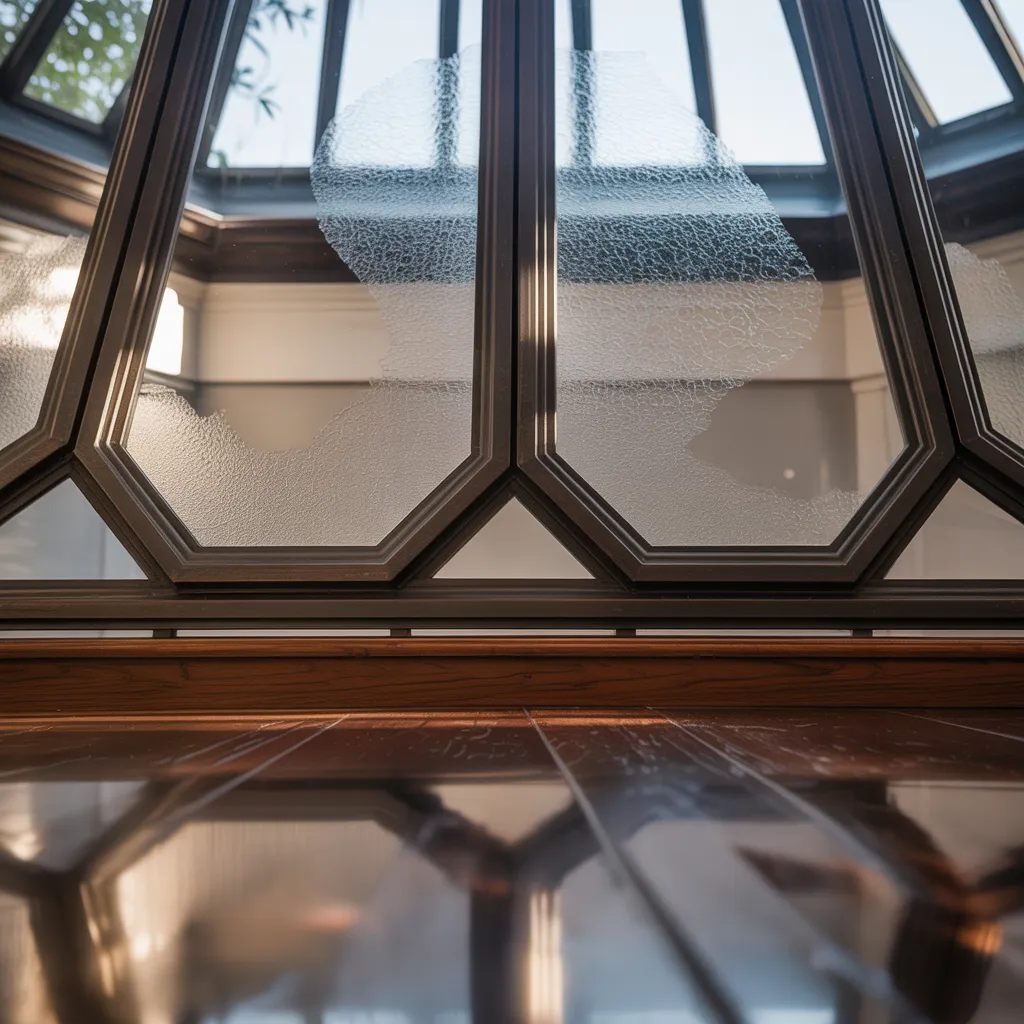
Why Skylights Are a Great Choice for Your Home
Skylights provide a distinct benefit for homeowners aiming to elevate their interior spaces. By introducing natural light into areas that may otherwise be dim, skylights foster a more welcoming and energetic ambiance. This influx of sunlight can make rooms feel larger and more open, supporting an enhanced sense of wellness. Additionally, skylights can serve as a design focal point, combining practicality with visual charm.
The adaptability of skylights makes them suitable for installation in a wide range of spaces, from kitchens to bathrooms, improving the overall ambiance of each room. They can also provide ventilation, enhancing air circulation while lowering humidity levels. Furthermore, the capacity to capture natural daylight not only enhances a home's interior but can also have a positive impact on mood. Opting for skylights constitutes a wise investment in both the livability and visual appeal of a home, making them a growing choice among homeowners seeking to enhance their living spaces.
How Skylights Can Reduce Your Energy Bills
Harnessing the power of the sun's natural light can lead to substantial decreases in energy bills. Skylights allow homeowners to utilize sunlight effectively, minimizing the need for artificial light sources throughout the day. By lighting areas with natural light, they can reduce energy usage, especially in spaces that need steady light sources, such as living rooms and kitchens.
Furthermore, carefully positioned skylights can boost air circulation, facilitating circulation and minimizing the need for air conditioning in summer months. This organic cooling benefit can contribute to decreased energy bills, particularly in regions where air conditioning is frequently used.
Furthermore, most today's skylights incorporate high-performance glazing features that reduce heat loss during cold weather periods. This quality assists in maintaining pleasant indoor conditions while lowering heating expenses. Ultimately, the integration of skylights does more than improve the home's appearance but also promotes a more sustainable living environment, resulting in lasting monetary savings.
Exploring the Various Types of Skylights
When evaluating the installation of skylights, it is crucial to understand the various types available, as each design serves specific purposes and aesthetic preferences. Fixed skylights are immovable and chiefly designed to introduce natural light, making them perfect for spaces where ventilation is not needed. Ventilated skylights, on the other hand, can be opened, enabling airflow and improving indoor air quality. Tubular skylights are compact and guide light through reflective tubes, excellent for tight spaces or hallways. Additionally, there are dome skylights that offer a unique visual appeal while efficiently diffusing light. Skylights can also be grouped by their frame materials, including wood, aluminum, and vinyl, each delivering different levels of durability and upkeep. Knowing these alternatives empowers homeowners to choose the skylight type that most effectively suits their space and addresses their individual lighting needs.
Essential Skylight Placement Advice for Maximum Light
When thinking about skylight installation, the placement of these features is essential for maximizing natural light. The best room selections, such as kitchens and living areas, benefit greatly from strategic positioning. Furthermore, the orientation and angle of the skylights can enhance light intake throughout the day.
Best Room Placement Options
Where can skylights be most efficiently placed to enhance natural light? Skylights are most effective in rooms that greatly benefit from generous natural light, such as living rooms, kitchens, and bathrooms. These areas often lack sufficient windows, making skylights a perfect solution. Within living rooms, skylights are capable of establishing a cozy and welcoming ambiance, whereas in kitchens, they can efficiently brighten work areas. Bathrooms equally profit from increased natural light, fostering a more open atmosphere. Additionally, hallways or stairwells can be transformed by strategically placed skylights, improving both visibility and ambiance. By considering these prime locations, homeowners can greatly enhance natural light throughout their living spaces, fostering a bright and cheerful environment.
Angle and Direction
The positioning and orientation of skylights are essential for maximizing natural light within a space. Optimally, skylights ought to be placed facing south to absorb the greatest amount of sunlight across the day. This positioning provides steady illumination, particularly during the winter season when the sun sits lower in the sky. For east and west-facing skylights, the morning and afternoon sun can be harnessed effectively, though they may require additional shading to prevent overheating. The angle of the skylight should also be considered; a pitch between 30 to 45 degrees can enhance light diffusion while minimizing glare. In the end, careful positioning and orientation will ensure that natural light fills the home, producing a brighter and more welcoming environment.
Ways Skylights Improve Your Home's Aesthetic
Skylights serve as impressive design elements that can greatly improve a home's overall appearance. By allowing natural light from above, they generate a feeling of freedom and warmth, transforming even the darkest spaces into lively, welcoming spaces. The interplay of light and shadow created by skylights enhances architectural details, highlighting textures and colors in a room.
In addition, skylights can be strategically placed to highlight breathtaking sights of the sky, trees, or adjacent natural settings, merging natural surroundings with interior environments. This integration cultivates a balanced living atmosphere and has the potential to instill a sense of peace. These fixtures also arrive supplementary information in numerous design options, from timeless to cutting-edge, enabling residents to select designs that enhance their current interior and structural aesthetic. Ultimately, the inclusion of skylights not only enriches the visual appeal of a home but also contributes value by giving rooms a more open and hospitable feel.
Maintenance Advice for Long-Lasting Skylights
To guarantee skylights stay a lasting feature in a residence, regular maintenance is essential. Homeowners are encouraged to create a regular cleaning routine, inspect seals and flashing, and watch for any indication of leaks. These proactive steps can help maintain the integrity and functionality of skylights in the long run.
Routine Cleaning Schedule
Establishing a routine care schedule is vital for ensuring the clarity and functionality of skylights. Dust, pollutants, and debris can gather over time, reducing natural light and reducing the overall visual appeal. It is best practice to maintain skylights at least biannually, ideally in spring and fall, when environmental conditions are favorable. Using a soft cloth and a gentle, non-abrasive cleaner can prevent scratches and preserve the surface. For inaccessible sections, a squeegee on an extension pole can successfully remove accumulated debris. Moreover, periodic evaluations while cleaning can assist in detecting emerging problems, keeping the skylights functioning at their best. A well-maintained skylight not only maximizes light transmission but also improves the property's overall energy efficiency.
Check Seals and Flashing
Routine cleaning helps preserve the transparency of skylights, but it is also crucial to inspect seals and flashing to secure long-lasting performance. As time passes, seals can degrade due to contact with UV rays and shifting temperatures, possibly creating gaps that compromise insulation. Flashing, which shields the joints linking the skylight and roof, must also be checked for damage or rust. Homeowners should conduct these inspections at least twice a year, particularly following harsh weather events. Evidence of wear should necessitate immediate repairs or replacements to prevent issues like water infiltration or heat loss. By maintaining the integrity of seals and flashing, homeowners can greatly extend the durability and effectiveness of their skylights.
Watch for Leaks
Identifying leaks promptly is vital for upholding the integrity of skylights. Regular monitoring is important to prevent water damage and guarantee longevity. Homeowners are advised to regularly look for moisture indicators around the skylight, such as water stains or mold growth on ceilings and walls. Inspecting the interior and exterior for cracked glass or deteriorated seals is also crucial. During heavy rain or snow, observing for water intrusion can provide immediate feedback on potential issues. It is advisable to clean the skylight regularly to prevent debris buildup, which can trap moisture. Upon detecting any leaks, immediate repairs or professional support should be obtained to tackle the problem effectively, shielding the home from further harm.

Common Questions and Answers
Do Skylights Help Decrease Indoor Humidity Levels
Skylights can help reduce internal humidity levels by promoting ventilation. Upon opening, they allow hot, moist air to exit, encouraging circulation and possibly reducing moisture levels, consequently fostering a healthier living environment.
Do Skylights Need Special Building Permits?
Yes, skylights commonly require specific building permits, as they entail modifications to the structure. Rules can differ by location, making it necessary to seek discussions with the relevant local officials to confirm conformity with local zoning requirements and building standards before proceeding with installation.
How Do Skylights Influence a Home's Resale Value
Skylights typically boost home resale value by attracting buyers seeking natural light and visual charm. Their potential energy efficiency and modern design can also increase marketability, making properties with skylights increasingly attractive in competitive real estate markets.
Do Skylights Improve Ventilation?
Skylights can significantly assist with ventilation by allowing hot, stale air to escape while drawing in cooler outside air. This naturally occurring airflow works to balance indoor temperatures, enhancing the overall comfort and air quality throughout the home.
Do Skylight Options Exist for Flat Roofs?
Indeed, numerous skylight choices are available for flat roofs, among them curb-mounted and flush-mounted configurations. These types provide effective natural light while accommodating flat roofing materials, ensuring both functionality and aesthetic appeal in modern architecture.